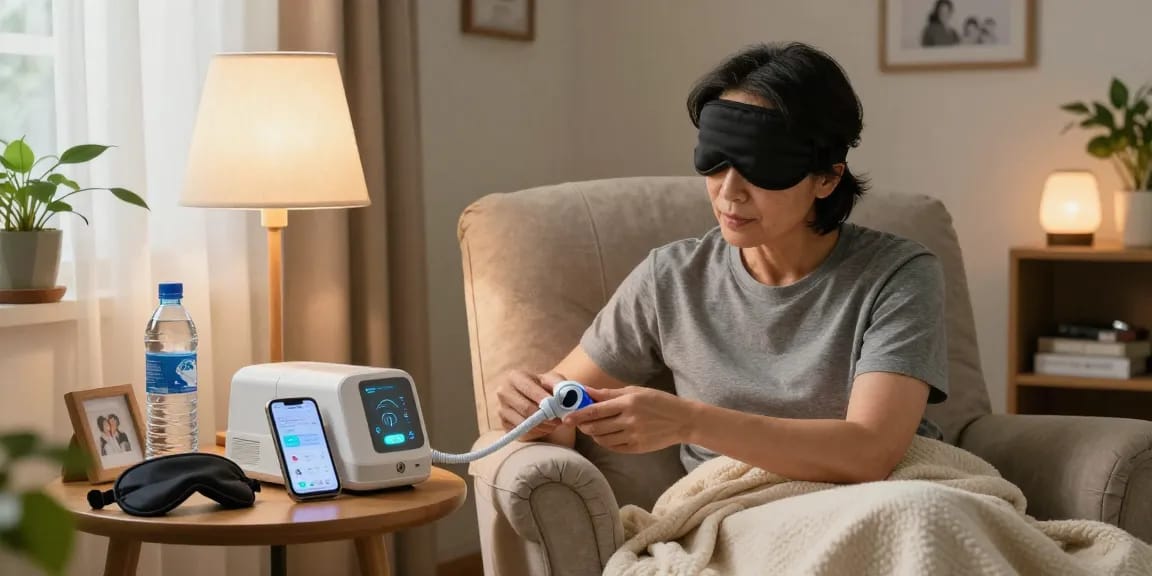
Understanding CPAP Therapy: A Comprehensive Overview
Continuous Positive Airway Pressure (CPAP) therapy is a leading treatment for obstructive sleep apnea (OSA), a condition characterized by repeated interruptions in breathing during sleep. As awareness of sleep disorders grows, understanding the intricacies of CPAP therapy has become essential for patients seeking relief. This article provides an in-depth look into what CPAP therapy entails, its benefits, common misconceptions, and practical advice for those on this journey. Moreover, we will explore how to find a reliable cpap dealer near me to ensure you have access to quality equipment and support.
What is CPAP Therapy and How Does It Work?
CPAP therapy involves the use of a CPAP machine that delivers a continuous stream of air through a mask that patients wear while sleeping. This airflow serves to keep the airways open, preventing the collapse that causes breathing interruptions associated with sleep apnea. The machine is equipped with a motor that sucks in ambient air, regulates the airflow, and delivers it at a pressure that has been adjusted according to the physician’s assessment of the patient’s specific needs.
CPAP machines are typically classified into several types: standard CPAP, auto-adjusting CPAP (APAP), and bilevel positive airway pressure (BiPAP) machines, each serving different patient needs. The effectiveness of CPAP therapy has been backed by numerous studies, highlighting its crucial role in improving sleep quality and overall health.
Benefits of Using a CPAP Machine for Sleep Apnea
The benefits of employing a CPAP machine extend beyond mere symptom management. Here are some of the key advantages:
- Improved Sleep Quality: Patients often experience significantly better sleep quality once they begin using a CPAP machine, leading to increased daytime alertness and productivity.
- Reduced Risk of Related Health Issues: Untreated sleep apnea can lead to serious health problems, including hypertension, cardiovascular disease, and diabetes. CPAP therapy greatly reduces these risks.
- Alleviation of Symptoms: Regular use of CPAP can mitigate common symptoms of sleep apnea such as loud snoring and excessive daytime sleepiness.
Common Misconceptions About CPAP Therapy
Despite its efficacy, several myths surround CPAP therapy. Understanding these misconceptions is crucial for new users:
- CPAP is uncomfortable: While initial discomfort can occur, many users report that they quickly adapt to the equipment with proper fitting and mask choices.
- Only severe cases require CPAP: Many patients with mild to moderate sleep apnea can benefit significantly from CPAP.
- CPAP is a permanent solution: In fact, some patients may find that weight loss, positional therapy, or other interventions can help reduce or eliminate their need for CPAP.
Finding the Right CPAP Dealer Near Me: Important Considerations
Choosing the right CPAP dealer is crucial for your therapy success. Several factors should be assessed to ensure you find the best supplier that meets your needs.
Key Factors to Evaluate When Choosing a Supplier
When searching for a CPAP dealer, consider the following points:
- Reputation: Look for dealers with solid reputations in the industry. This can be assessed through customer reviews and testimonials.
- Product Range: Ensure that the supplier offers a variety of machines and accessories, enabling you to find the best fit for your specific needs.
- After-sales Support: A reliable dealer should provide robust support, including equipment maintenance and answering any questions that may arise.
How to Compare Prices and Products from Local Dealers
Price comparison is a fundamental step in acquiring CPAP equipment. Start by conducting online research to gauge the average cost of various machines and accessories. Most local suppliers will provide a range of products. It's beneficial to inquire about insurance coverage as well, since many insurance plans cover at least a portion of CPAP equipment costs.
Additionally, don't hesitate to ask local dealers about their return policies, warranty periods, and other pertinent terms to ensure you're making a sound investment.
Customer Reviews: What to Look For and Trust
Reading reviews can provide insights into the customer service experience you might expect from a CPAP dealer. Pay attention to consistent themes in feedback—both positive and negative. For instance, if multiple reviews mention prompt support and efficient service, this is a good sign of reliability. Conversely, look for red flags in reviews that mention a lack of assistance or problems with product quality.
Common Challenges in CPAP Usage and Solutions
While CPAP therapy has many benefits, users may encounter challenges during their journey. Understanding these challenges and their solutions will help ensure continued success with the therapy.
Overcoming Discomfort and Adjusting to CPAP
Adjustment periods for new CPAP users can be challenging. Here are some strategies to help overcome discomfort:
- Mask Selection: Choose a mask that fits well and is comfortable. Explore different types such as nasal masks, full-face masks, or nasal pillows to find what works best for you.
- Gradual Use: Start by wearing the CPAP for short periods while awake to help your body get used to the sensation of airflow.
- Proper Humidification: To alleviate dryness and discomfort, consider using a CPAP machine with a built-in humidifier.
Maintaining and Cleaning Your CPAP Equipment
Regular maintenance and cleaning of CPAP equipment are essential for optimal functioning and hygiene. Follow these steps:
- Daily: Clean the mask and tube with mild soap and warm water to prevent the buildup of bacteria.
- Weekly: Disinfect the water chamber and check the machine for any signs of wear and tear.
- Monthly: Replace filters and inspect all components for functionality.
Addressing Potential Side Effects of CPAP Therapy
Some users may experience side effects such as nasal congestion or skin irritation. Managing these can improve comfort:
- Nasal Congestion: Using a heated humidifier can help ease congestion by moistening the air.
- Skin Irritation: Ensure proper mask fit and consider using a barrier cream to protect your skin.
Innovations in CPAP Technology for 2026
The landscape of CPAP therapy is continually evolving, with advancements promising to enhance user experience and effectiveness.
Emerging Features in CPAP Machines to Look Out For
As technology advances, new features are emerging in CPAP machines, including:
- Auto-Adjusting Pressure: Many modern machines can adjust pressure levels throughout the night automatically based on breathing patterns.
- Integrated Sensors: Sensors that monitor compliance and provide feedback on usage can help users understand their therapy better.
Smart Technology Integration in CPAP Equipment
Smart technology is becoming integral to CPAP equipment. Some machines now offer features such as:
- Mobile App Connectivity: Users can track their sleep patterns and therapy compliance via mobile applications, which enhances engagement and adherence.
- Remote Monitoring: Healthcare providers can remotely monitor patient data, allowing for timely adjustments and better management of therapy.
Trends in Portable CPAP Solutions and Travel Adaptations
With an increasing focus on portability, manufacturers are developing lightweight and compact CPAP devices designed for travel. These innovative solutions often include:
- Battery Operability: CPAP machines with battery backups ensure uninterrupted therapy during travel.
- Compact Design: Smaller machines that do not compromise on functionality make it easier for users to maintain their therapy on the go.
Future of Sleep Health: Insights and Predictions
The realm of sleep health is rapidly changing, influenced by technological advancements and evolving patient needs. Understanding these trends can help users prepare for what lies ahead.
Impact of Telemedicine on CPAP Therapy Management
Telemedicine is revolutionizing the way CPAP therapy is managed. Patients can now consult healthcare professionals remotely, making it easier to adjust settings and troubleshoot problems without needing to visit a clinic.
What Patients Can Expect from Suppliers in 2026
As the demand for CPAP therapy continues to rise, suppliers are likely to enhance their services. Look for:
- Personalized Recommendations: With improved data analytics, patients can expect tailored product recommendations based on their specific needs.
- Better Customer Support: Enhanced training for customer service representatives can result in more informed support for patients navigating their CPAP journey.
Expert Tips for Long-term CPAP Success and Comfort
For ongoing success with CPAP therapy, consider these expert tips:
- Regular Follow-ups: Schedule regular check-ins with your healthcare provider to ensure optimal settings and equipment functionality.
- Community Support: Engaging with support groups can help users share experiences and tips for overcoming challenges.
What types of CPAP machines are available?
CPAP machines come in various types, including standard CPAP, APAP, and BiPAP, each tailored to different patient needs. Your healthcare provider can recommend the best option for your condition.
How to know if I need a CPAP machine?
Consult a sleep specialist if you suspect you have sleep apnea. A sleep study will assess your condition, guiding the decision on whether CPAP therapy is necessary.
Can I rent CPAP equipment from local dealers?
Many local dealers offer rental options for CPAP equipment, which can be a cost-effective way to start therapy while assessing your needs.
What financing options are available for CPAP machines?
When purchasing CPAP equipment, inquire about financing options from local dealers, including payment plans and potential insurance coverage to ease the financial burden.
How often should I replace my CPAP supplies?
Generally, it's recommended to replace CPAP masks every 3 to 6 months and other parts such as filters and tubing regularly to maintain hygiene and efficiency.