
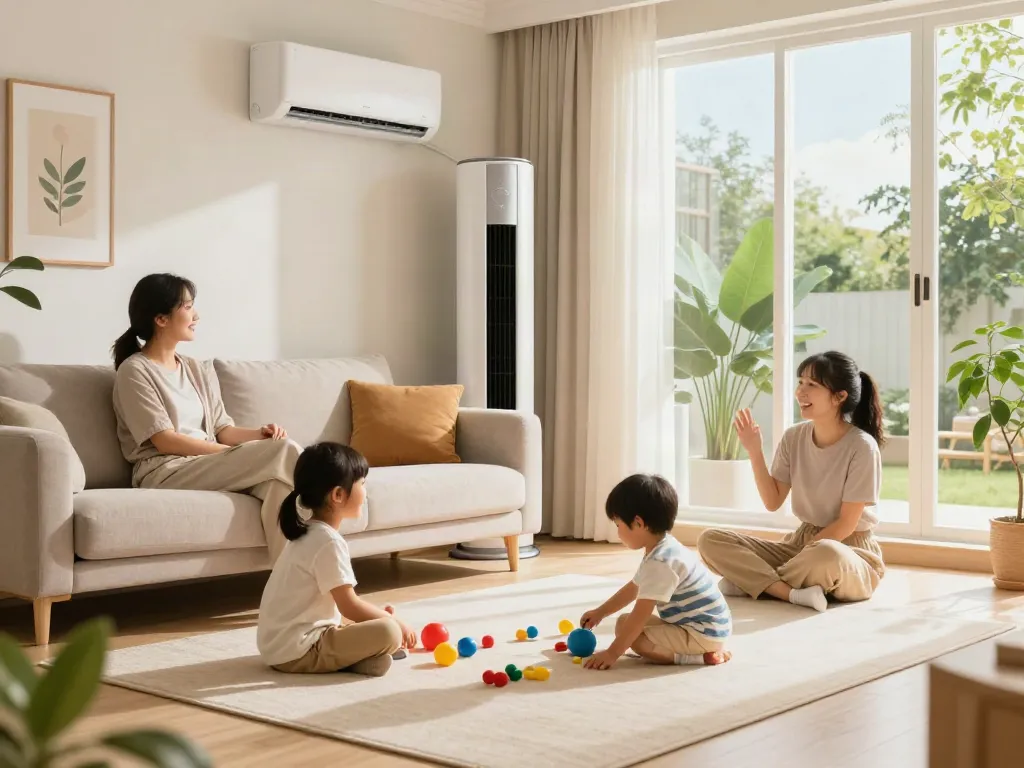
Understanding Mini Split Air Conditioners
Mini split air conditioners have emerged as a popular choice for home comfort solutions due to their efficiency and versatility. These systems provide both heating and cooling capabilities, making them suitable for various climates and home configurations. Unlike traditional air conditioning systems, mini splits do not require ductwork, allowing for simpler installation and increased energy efficiency. For those exploring options, mini split air conditioner systems represent an excellent solution for modern living spaces.
What is a Mini Split Air Conditioner?
A mini split air conditioner is a type of ductless HVAC system consisting of two main components: an outdoor unit and one or more indoor units. The outdoor unit houses the compressor and the condenser, while the indoor units contain the evaporator. This configuration allows for direct cooling and heating of specific areas without the need for extensive ductwork. The flexibility in placement of indoor units makes mini splits ideal for various applications, including homes, offices, and commercial spaces.
How Mini Split Systems Work Efficiently
Mini splits operate on the principle of heat exchange, using refrigerant to absorb and release heat. During cooling, the system extracts heat from the indoor air and transfers it outside, resulting in a comfortable indoor environment. Conversely, in heating mode, the process reverses; the system extracts heat from the outside air—even in colder temperatures—and transfers it indoors. This dual functionality provides year-round comfort while maintaining high energy efficiency, as mini splits can operate at lower energy levels compared to traditional systems.
Key Benefits of Using Mini Splits in Your Home
- Energy Efficiency: Mini splits are known for their high SEER (Seasonal Energy Efficiency Ratio) ratings, which indicates their efficiency in using energy.
- Zone Control: Each indoor unit can be controlled independently, allowing for personalized comfort in different areas of the home.
- Easy Installation: With no ductwork required, installation is less invasive, taking a fraction of the time compared to traditional systems.
- Improved Air Quality: Mini splits often include advanced filtration systems that help reduce allergens and pollutants in the air.
Choosing the Right Mini Split System
When selecting a mini split air conditioner, several factors can influence your decision. Understanding your needs and the specifications of different models can help you make an informed choice.
Factors to Consider When Selecting a Mini Split
- Cooling and Heating Capacity: Measured in BTUs (British Thermal Units), it’s essential to choose a system that can effectively heat or cool your space.
- Energy Efficiency Rating: Look for systems with high SEER ratings for lower energy consumption and operating costs.
- Noise Levels: Consider models that operate quietly, especially for bedrooms or workspaces where quiet operation is crucial.
- Brand Reputation: Research different brands and models to find reliable options that come with warranties and customer support.
Comparative Analysis of Different Brands and Models
Several manufacturers dominate the mini split market, including Fujitsu, Mitsubishi, Daikin, and LG. Each brand offers various models with unique features. For instance, some models may come equipped with smart technology for remote operation via mobile apps, while others may focus on silent operation or advanced filtration systems. Evaluating customer reviews and expert opinions can provide valuable insights into the long-term performance of these systems.
Installation Requirements and Best Practices
Installing a mini split air conditioner typically involves placing the indoor unit on a wall, connecting it to the outdoor unit via refrigerant lines, and ensuring proper electrical connections. Hiring a professional installer is often recommended to ensure compliance with local building codes and optimal performance. Additionally, consider the location of the outdoor unit; it should be placed in a shaded area to enhance efficiency and minimize operational noise.
Cost Analysis of Mini Split Air Conditioners
Understanding the costs associated with mini split systems is crucial for budgeting. While the initial investment may be higher than traditional systems, the long-term savings can outweigh this upfront cost.
Initial Investment vs. Long-Term Savings
The price of a mini split air conditioning system can vary significantly based on capacity, brand, and features, typically ranging from $2,000 to $5,000 for installation. However, due to their energy efficiency, many homeowners report savings of up to 30-40% on their energy bills compared to central air systems. This means that while the initial cost is notable, the return on investment is often favorable over time.
Average Costs for Different Home Sizes and Configurations
For a small room (around 500 square feet), a single-zone mini split system may suffice, costing about $3,000 installed. Larger homes may benefit from multi-zone systems, which can range from $4,000 to $12,000 depending on the number of zones and units required. Understanding your home's layout and insulation levels can help determine the appropriate system size and configuration.
Understanding Maintenance Expenses Over Time
Maintenance costs for mini split systems are typically lower compared to traditional HVAC systems. Regular upkeep includes cleaning filters, checking refrigerant levels, and annual professional inspections. Homeowners can expect to pay around $150 to $300 annually for maintenance services, which helps ensure efficiency and longevity of the system.
Common Challenges with Mini Split Systems
While mini splits offer numerous advantages, they come with challenges that homeowners should be aware of before making a decision.
Debunking Myths About Mini Splits
One common misconception is that mini splits are insufficient for cooling large spaces. In reality, properly sized and installed mini splits can effectively cool or heat larger areas by utilizing multiple indoor units. Additionally, some believe they are noisy; however, many modern systems operate quietly, comparable to or quieter than traditional systems.
Potential Drawbacks and How to Address Them
Another concern is the aesthetic of indoor units. While they are more visually appealing than window units, some homeowners still find them intrusive. Consider opting for wall-mounted units that blend seamlessly with your décor or discreetly placed floor models. Addressing installation placements carefully can also mitigate aesthetic issues and improve functionality.
Real-World Examples of Mini Split Setup Challenges
Homeowners have reported challenges such as improper sizing leading to inadequate cooling or heating. Consulting with a professional installer can help prevent these issues by ensuring that the system is appropriately sized based on room dimensions, insulation, and usage patterns. Additionally, some regions may have specific regulations regarding outdoor unit placement that should be addressed during the planning phase.
The Future of Mini Split Technology
As technology continues to advance, mini split air conditioners are evolving to meet growing consumer demands for energy efficiency and smart home integration.
Innovations Expected in Mini Split Systems by 2026
Future mini split models are likely to incorporate enhanced features such as advanced air purification systems, intelligent self-diagnostics, and improved mobile app controls. These innovations aim to streamline user experience and enhance overall system performance.
Integration with Smart Home Technologies
Many new mini split systems are designed to easily integrate with existing smart home technology, allowing homeowners to control their heating and cooling settings through voice commands or smartphone apps. This level of convenience can lead to better energy management and enhanced comfort.
Energy Efficiency Trends and Regulations Impacting Mini Splits
With increasing focus on sustainability, regulations are tightening around energy efficiency standards. Mini split systems are at the forefront of these trends, providing better efficiency ratings and eco-friendly refrigerants to meet the growing demand for environmentally conscious products.
What are the advantages of mini split air conditioners?
Mini split air conditioners are energy efficient, offer zone control, improve air quality, and have simple installation requirements, making them highly beneficial for modern homes.
How much does it cost to install a mini split air conditioner?
Installation costs for mini split systems can range from $2,000 to $5,000, depending on home size and system complexity. However, long-term energy savings can compensate for the initial investment.
What maintenance do mini split air conditioners require?
Regular maintenance for mini splits includes cleaning filters, checking refrigerant levels, and annual professional inspections, typically costing around $150 to $300 per year.
Can mini splits effectively cool larger spaces?
Yes, mini split systems can effectively cool large spaces by utilizing multiple indoor units, ensuring adequate temperature control throughout the home.
What are the energy efficiency ratings for mini split systems?
Mini split systems often boast high SEER ratings, indicating their superior energy efficiency compared to traditional central air conditioning systems.